


FREE DELIVERY ON ORDERS OVER £25
ALWAYS UP TO 70% OFF RRP
SIGN UP FOR OFFERS AND EXCLUSIVES
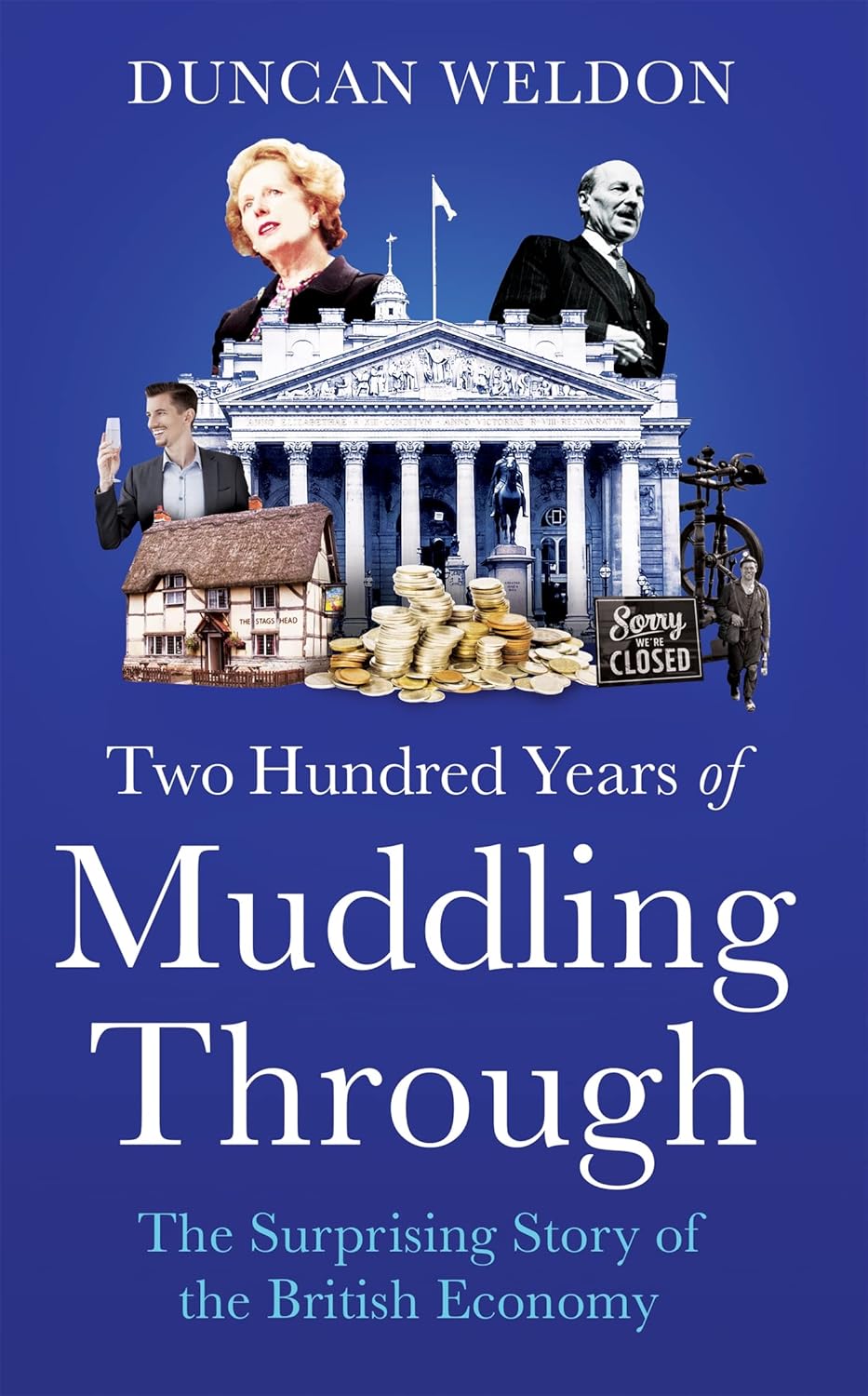
Two Hundred Years of Muddling Through: The surprising story of Britain's economy from boom to bust and back again (Hardback)
Duncan Weldon (Author)
- £8.00
-
£20.00 - £8.00
- Unit price
- per
Save £12.00
Please hurry! Only 2 left in stock
10 customers are viewing this product
Couldn't load pickup availability
Free Shipping
Free standard shipping on orders over £25
Same day dispatch.
Free Returns
Learn More.

- Publisher: Little, Brown
- ISBN: 9781408713167
- Pages: 352
- Weight: 0.594
Duncan Weldon is a writer and broadcaster. He was previously the Britain Economics Correspondent at the Economist, the Economics Correspondent for Newsnight, the BBC's flagship nightly current affairs show and a columnist for Prospect magazine. He has written and presented several documentaries for BBC Radio 4, including World War Two: The Economic Battle. An economist by background, he began his career at the Bank of England, before working in asset management and then public policy as the senior economist at the Trades Union Congress. Aside from The Economist and Prospect he has written for the Financial Times, New Statesman, Guardian, Political Quarterly and City AM, and is a regular commentator on television and radio.
Related Products
Example product title
- £8.00
-
£20.00 - £8.00
- Unit price
- per
Save £12.00
Example product title
- £8.00
-
£20.00 - £8.00
- Unit price
- per
Save £12.00
Example product title
- £8.00
-
£20.00 - £8.00
- Unit price
- per
Save £12.00
Example product title
- £8.00
-
£20.00 - £8.00
- Unit price
- per
Save £12.00
Example product title
- £8.00
-
£20.00 - £8.00
- Unit price
- per
Save £12.00
Example product title
- £8.00
-
£20.00 - £8.00
- Unit price
- per
Save £12.00
Example product title
- £8.00
-
£20.00 - £8.00
- Unit price
- per
Save £12.00
Example product title
- £8.00
-
£20.00 - £8.00
- Unit price
- per
Save £12.00
Example product title
- £8.00
-
£20.00 - £8.00
- Unit price
- per
Save £12.00
Example product title
- £8.00
-
£20.00 - £8.00
- Unit price
- per
Save £12.00
Recently Viewed Products
Example product title
- £8.00
-
£20.00 - £8.00
- Unit price
- per
Save £12.00
Example product title
- £8.00
-
£20.00 - £8.00
- Unit price
- per
Save £12.00
Example product title
- £8.00
-
£20.00 - £8.00
- Unit price
- per
Save £12.00
Example product title
- £8.00
-
£20.00 - £8.00
- Unit price
- per
Save £12.00
Example product title
- £8.00
-
£20.00 - £8.00
- Unit price
- per
Save £12.00
Example product title
- £8.00
-
£20.00 - £8.00
- Unit price
- per
Save £12.00
Example product title
- £8.00
-
£20.00 - £8.00
- Unit price
- per
Save £12.00
Example product title
- £8.00
-
£20.00 - £8.00
- Unit price
- per
Save £12.00
Example product title
- £8.00
-
£20.00 - £8.00
- Unit price
- per
Save £12.00
Example product title
- £8.00
-
£20.00 - £8.00
- Unit price
- per
Save £12.00
- Choosing a selection results in a full page refresh.