


FREE DELIVERY ON ORDERS OVER £25
ALWAYS UP TO 70% OFF RRP
SIGN UP FOR OFFERS AND EXCLUSIVES
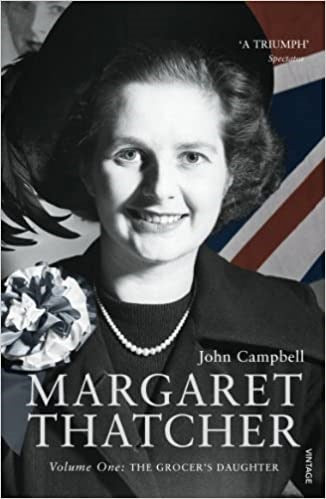
Margaret Thatcher: Volume One: The Grocer's Daughter: v. 1 (Paperback)
John Campbell (Author)
- £6.00
-
£16.99 - £6.00
- Unit price
- per
Save £10.99
Please hurry! Only 155 left in stock
10 customers are viewing this product
Couldn't load pickup availability
Free Shipping
Free standard shipping on orders over £25
Same day dispatch.
Free Returns
Learn More.

- Publisher: Vintage
- ISBN: 9780099516767
- Pages: 528
- Weight: 0.373
John Campbell is the author of biographies of Lloyd George (1977), F.E. Smith (1983), Roy Jenkins (1983), Aneurin Bevan (1986) and Edward Heath (1994).
Related Products
Example product title
- £6.00
-
£16.99 - £6.00
- Unit price
- per
Save £10.99
Example product title
- £6.00
-
£16.99 - £6.00
- Unit price
- per
Save £10.99
Example product title
- £6.00
-
£16.99 - £6.00
- Unit price
- per
Save £10.99
Example product title
- £6.00
-
£16.99 - £6.00
- Unit price
- per
Save £10.99
Example product title
- £6.00
-
£16.99 - £6.00
- Unit price
- per
Save £10.99
Example product title
- £6.00
-
£16.99 - £6.00
- Unit price
- per
Save £10.99
Example product title
- £6.00
-
£16.99 - £6.00
- Unit price
- per
Save £10.99
Example product title
- £6.00
-
£16.99 - £6.00
- Unit price
- per
Save £10.99
Example product title
- £6.00
-
£16.99 - £6.00
- Unit price
- per
Save £10.99
Example product title
- £6.00
-
£16.99 - £6.00
- Unit price
- per
Save £10.99
Recently Viewed Products
Example product title
- £6.00
-
£16.99 - £6.00
- Unit price
- per
Save £10.99
Example product title
- £6.00
-
£16.99 - £6.00
- Unit price
- per
Save £10.99
Example product title
- £6.00
-
£16.99 - £6.00
- Unit price
- per
Save £10.99
Example product title
- £6.00
-
£16.99 - £6.00
- Unit price
- per
Save £10.99
Example product title
- £6.00
-
£16.99 - £6.00
- Unit price
- per
Save £10.99
Example product title
- £6.00
-
£16.99 - £6.00
- Unit price
- per
Save £10.99
Example product title
- £6.00
-
£16.99 - £6.00
- Unit price
- per
Save £10.99
Example product title
- £6.00
-
£16.99 - £6.00
- Unit price
- per
Save £10.99
Example product title
- £6.00
-
£16.99 - £6.00
- Unit price
- per
Save £10.99
Example product title
- £6.00
-
£16.99 - £6.00
- Unit price
- per
Save £10.99
- Choosing a selection results in a full page refresh.